Hydro-Jetting vs Traditional Drain Cleaning: Which Fixes Clogs for Good?
February 23, 2026
Clogged drains are more than just a minor inconvenience—they can disrupt daily routines, damage plumbing infrastructure, and lead to costly repairs if left unaddressed. Homeowners and property managers often face the dilemma of choosing the most effective method to resolve stubborn blockages. While traditional drain cleaning has long been the standard approach, hydro-jetting has emerged as a modern, high-performance alternative. Understanding the differences between these methods is essential for making informed decisions that protect your plumbing system and ensure long-term functionality.
The plumbing industry has evolved significantly over the past few decades, with innovations like hydro-jetting offering faster, more thorough solutions compared to conventional techniques. Traditional methods, such as snaking or augering, remove obstructions mechanically but may leave residue behind that can cause recurring clogs. Hydro-jetting, on the other hand, uses high-pressure water streams to clear pipes completely, including grease, scale, and biofilm buildup. By exploring the benefits, limitations, and ideal use cases for each method, homeowners and professionals can identify which approach addresses clogs effectively and prevents future problems, ultimately saving time, money, and stress.
Understanding Traditional Drain Cleaning
What Traditional Drain Cleaning Entails
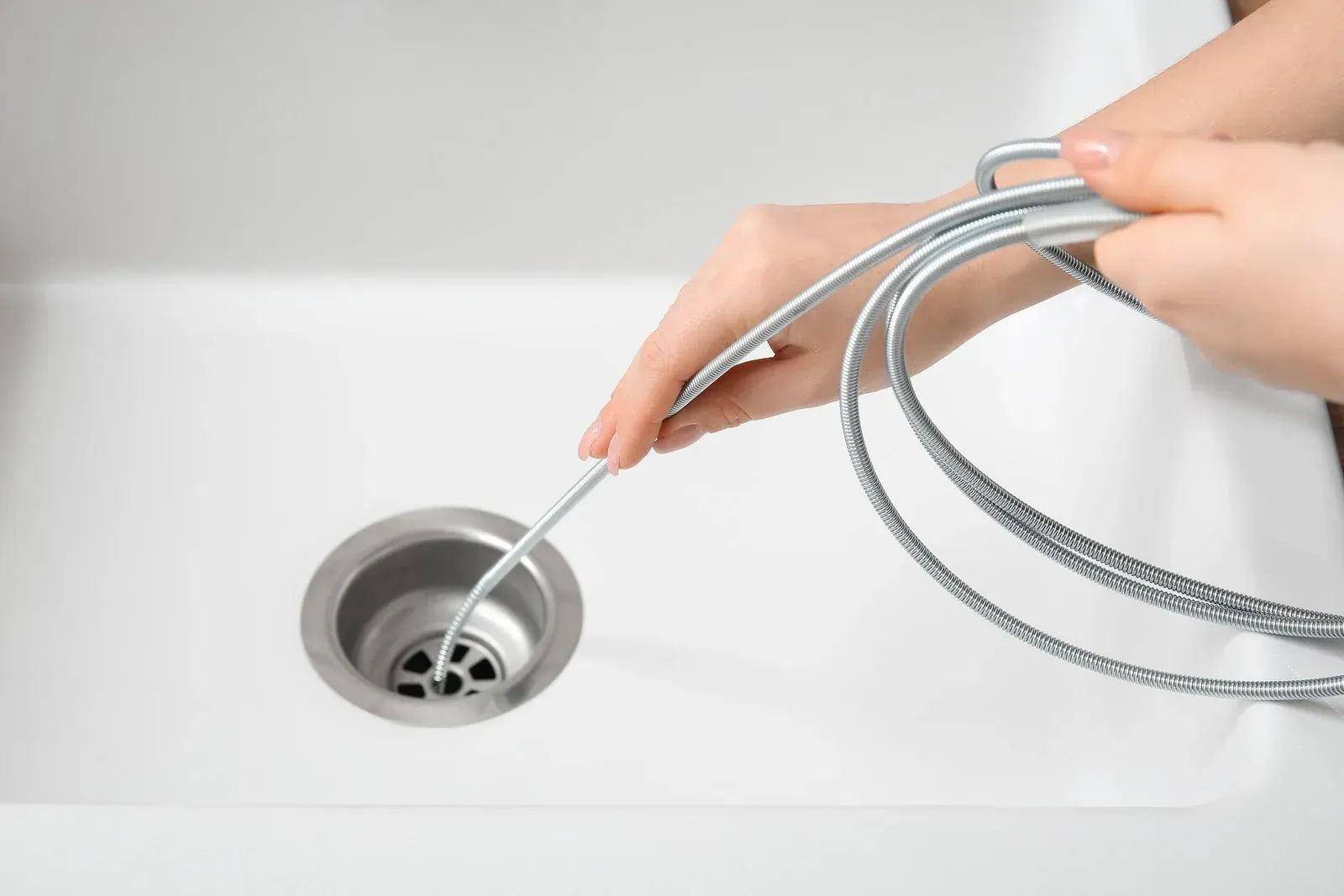
Traditional drain cleaning, often referred to as mechanical cleaning, primarily relies on tools like drain snakes, augers, and plunger systems to dislodge blockages. The process typically begins with a visual inspection or minor probing to locate the obstruction, followed by inserting the snake into the pipe to break up or pull out debris. Plungers create suction and pressure that can move smaller clogs closer to the main drain. This method has been widely used for decades due to its simplicity, affordability, and accessibility for both homeowners and professionals.
Benefits of Traditional Methods
One of the key advantages of traditional drain cleaning is its cost-effectiveness. For minor clogs, such as hair, soap buildup, or small food particles, a plumber can quickly restore flow without the need for expensive equipment. It is also less intimidating for DIY enthusiasts, as basic plungers and hand-held snakes are available for home use. Additionally, mechanical methods require minimal preparation and can be implemented in emergency situations with little lead time.
Limitations and Challenges
Despite its prevalence, traditional drain cleaning has notable limitations. Mechanical methods often fail to address the root cause of persistent clogs, such as grease accumulation, mineral deposits, or thick biofilm. While a snake may remove the blockage temporarily, residues often remain on pipe walls, leading to recurring problems. Furthermore, in older or fragile plumbing systems, aggressive snaking can cause scratches, pipe damage, or misalignment. For complex or extensive obstructions, traditional methods may require repeated treatments, resulting in higher overall costs and increased inconvenience.
Real-World Scenario
Consider a household with a kitchen drain consistently slowing down over several months. A plumber using a standard auger might extract visible debris, but if hardened grease lining the pipe remains, the clog can recur within weeks. This illustrates the limitation of traditional cleaning: while it may resolve immediate issues, it does not always provide a lasting solution.
Hydro-Jetting Explained
How Hydro-Jetting Works
Hydro-jetting employs high-pressure water streams, typically ranging from 1,500 to 4,000 PSI, to thoroughly clean pipes. A specialized nozzle directs water along the pipe walls, effectively breaking down and flushing away grease, scale, roots, and other debris. Unlike mechanical methods, hydro-jetting does not rely on physical scraping or pulling. Instead, it scours the interior surface of pipes, removing stubborn buildup that can contribute to future clogs.
Advantages of Hydro-Jetting
Hydro-jetting offers several benefits that make it superior in certain scenarios. First, it provides a comprehensive cleaning, leaving pipes nearly as clean as when newly installed. This reduces the likelihood of recurring blockages. Second, it can handle a wide range of clogs—from residential kitchen grease to tree roots invading sewer lines—making it versatile for both homeowners and commercial applications. Third, hydro-jetting is non-invasive; there is no need to dismantle fixtures or dig around the property, preserving both time and property integrity.
Considerations and Risks
While hydro-jetting is highly effective, it is not suitable for all plumbing systems. Older pipes made of clay, cast iron, or PVC may be vulnerable to high-pressure water, risking fractures or leaks if not assessed by a professional first. Additionally, hydro-jetting requires specialized equipment and trained operators, meaning it is more expensive upfront compared to traditional methods. However, the long-term cost savings from preventing recurring clogs often outweigh the initial investment.
Example in Practice
A commercial restaurant experiencing chronic grease blockages in its main sewer line benefits greatly from hydro-jetting. High-pressure water removes layers of accumulated grease, sanitizes pipe walls, and restores optimal flow. In contrast, using a traditional snake repeatedly may temporarily relieve the blockage but leave behind residue that quickly reaccumulates, resulting in recurring downtime and maintenance costs.
Comparing Effectiveness
Short-Term vs Long-Term Solutions
Traditional drain cleaning provides immediate relief for minor clogs, making it suitable for urgent, short-term solutions. However, it rarely addresses the full extent of pipe buildup, particularly in systems prone to grease, scale, or sediment accumulation. Hydro-jetting, conversely, excels in long-term results, thoroughly clearing pipes and reducing the likelihood of future blockages. By addressing both the obstruction and residual buildup, hydro-jetting minimizes repeat service calls and promotes consistent pipe function.
Scope of Cleaning
Mechanical methods target the visible clog, effectively restoring flow but leaving the interior surfaces partially coated. Hydro-jetting cleans the entire pipe circumference, ensuring that both the main blockage and any hidden residues are removed. For example, in multi-floor residential buildings or commercial properties with extended plumbing networks, hydro-jetting provides uniform cleaning throughout the system, whereas traditional methods may struggle with hard-to-reach sections.
Costs and Value
While traditional methods have a lower initial cost, repeated service calls for recurring clogs can make them more expensive over time. Hydro-jetting may involve a higher upfront expense but delivers superior long-term value by preventing frequent blockages, reducing pipe wear, and improving system hygiene. This cost-benefit analysis often favors hydro-jetting for proactive maintenance and challenging drainage scenarios.
Best Practices and Expert Recommendations
When to Choose Traditional Cleaning
Traditional methods remain appropriate for minor, straightforward clogs, such as hair in bathroom drains or small food particles in kitchen sinks. Homeowners can use plungers or hand-held snakes for emergency situations or initial attempts. Routine maintenance of drains with minimal buildup may also justify mechanical cleaning, given its affordability and accessibility.
When Hydro-Jetting is Preferred
Hydro-jetting is recommended for persistent or recurring clogs, grease-laden kitchen lines, large sewer pipes, or systems experiencing root intrusion. It is particularly valuable for commercial properties or older homes where thorough pipe cleaning is critical. Professional assessment is essential to ensure pipes can safely withstand high-pressure water.
Preventative Maintenance Tips
Experts advise scheduling routine hydro-jetting every few years for high-use drains or commercial lines. For homes, a combination of chemical-safe cleaners, regular flushing with hot water, and professional inspections can prolong pipe health. Avoiding grease disposal down sinks, minimizing hair accumulation, and addressing minor blockages promptly also contributes to long-term plumbing efficiency.
Environmental and Health Considerations
Hydro-jetting offers environmentally responsible advantages by reducing reliance on harsh chemical cleaners. The high-pressure water method eliminates the need for caustic agents that can harm aquatic life and contaminate groundwater. By thoroughly cleaning pipes, hydro-jetting prevents the development of stagnant water pockets that harbor bacteria or unpleasant odors. Traditional mechanical cleaning may temporarily restore flow but leaves residue that can support bacterial growth, leading to potential health risks and unpleasant smells over time. For households with children or immunocompromised individuals, hydro-jetting provides an extra layer of sanitation and safety. Additionally, removing grease and biofilm buildup improves water flow efficiency, reducing energy usage in pump-dependent systems and contributing to sustainable plumbing practices.
Reliable Professionals Keeping Your Drains Flowing Smoothly
For residents and businesses in Silverdale and Seabeck, Washington, trusting an experienced plumbing company is essential for effective drain solutions. Bill Blair Plumbing brings 25 years of professional expertise to every service, offering both traditional drain cleaning and advanced hydro-jetting to ensure your plumbing system functions optimally. Our team evaluates each situation carefully, recommending the method that addresses the immediate clog while protecting your pipes for the long term. We combine industry knowledge, state-of-the-art equipment, and hands-on experience to provide reliable, efficient service that minimizes disruption to your home or business.
Whether facing a minor bathroom clog or a stubborn grease-laden kitchen drain, Bill Blair Plumbing
delivers results with precision and care. Our commitment to customer satisfaction means we explain every option, perform the work safely, and leave your plumbing system in excellent condition. By choosing our professional services, you gain peace of mind knowing that your drains are thoroughly cleaned, your pipes are protected, and your plumbing maintenance is handled by seasoned experts. With our reputation for reliability and quality in Silverdale and Seabeck, we ensure your plumbing challenges are resolved efficiently and permanently.