Sink Replacement: Choosing the Right Material and Getting It Installed Right
August 29, 2026
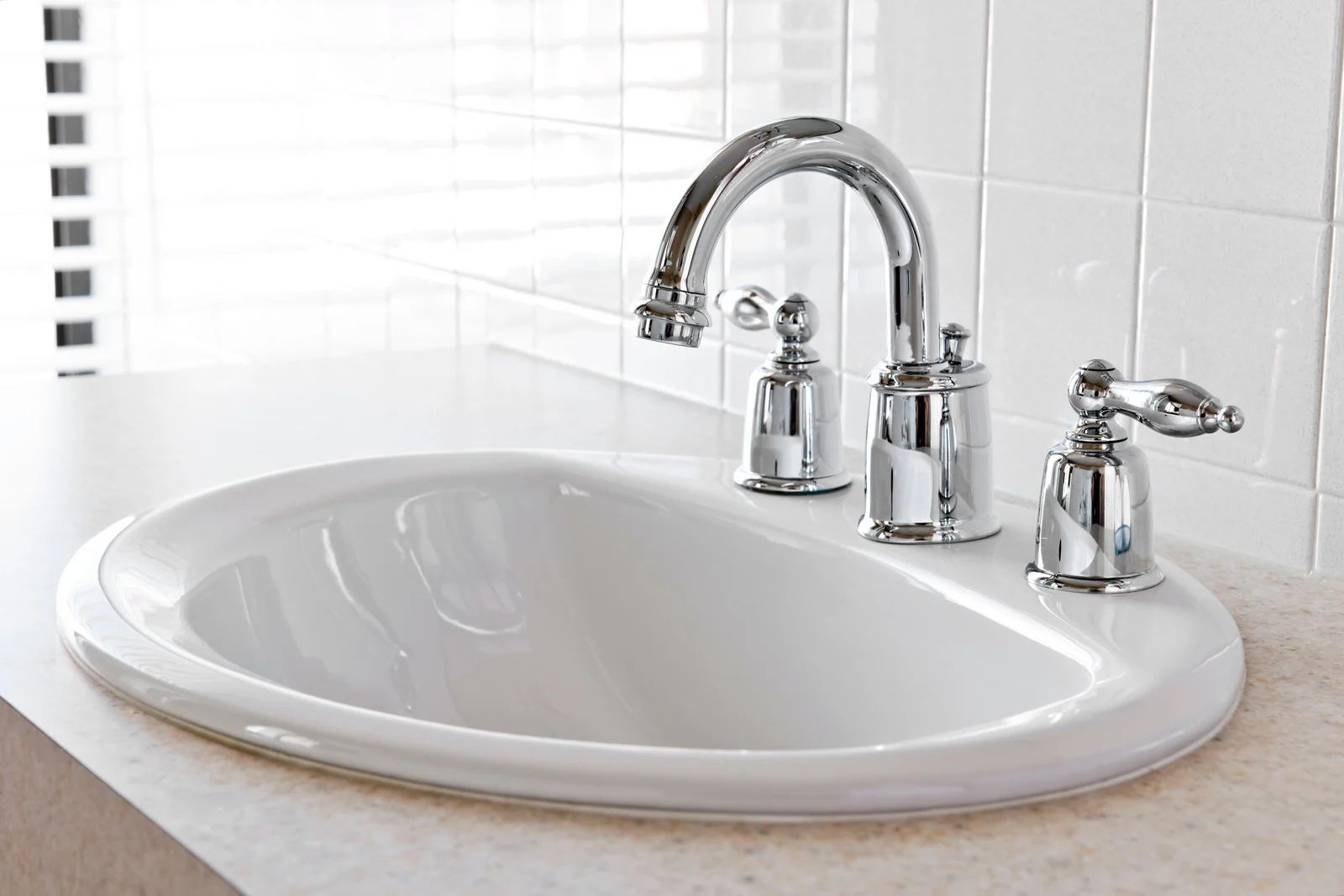
Quick Answer: A sink is ready for replacement when cracks, rust, persistent leaks, or a loose mount show up, since these problems tend to worsen rather than resolve on their own. Stainless steel (16 to 18 gauge is the sturdiest range for daily use), porcelain and fireclay, and granite or quartz composite are the three main material categories, each with different durability, noise, and maintenance profiles. A professional replacement typically takes a few hours for a standard kitchen or bathroom sink and includes matching the cutout, resetting the drain and supply connections, and sealing the new unit against the countertop.
A hairline crack near the drain of a kitchen sink rarely causes a puddle right away. It sits through months of rinsed dishes and hot pots, widening slowly under the daily stress, until one morning water starts collecting under the cabinet instead of draining where it should. By then, what looked like a minor cosmetic flaw has become a plumbing problem with a cabinet floor to show for it.
Sinks in Silverdale and Seabeck homes see some of the heaviest daily use of any plumbing fixture, and the marine climate here does the rest of the work on aging metal and grout lines. Knowing what separates a sink that can still be repaired from one that needs to come out entirely, and understanding what a professional replacement actually involves, helps homeowners avoid a small leak becoming a much larger repair.
Signs Your Sink Is Ready for Replacement
Cracks And Chips Near The Drain
A crack close to the drain opening puts stress on the weakest point of the basin every time water passes through it. Porcelain, fireclay, and enamel-coated sinks are especially prone to chipping, and once the protective glaze is broken, the exposed material underneath absorbs moisture and stains faster.
Rust, Corrosion, And Stains That Will Not Lift
Stainless steel sinks resist corrosion but are not immune to it. Orange staining around the drain or along a seam usually means the protective layer has broken down in that spot, and once metal starts pitting, the damage tends to spread rather than stay contained.
Leaks Beneath The Cabinet
A leak coming from the sink basin itself, rather than from a supply line or the trap underneath, is a different problem than a worn washer. Basin leaks point to a failure in the material or the seal around the drain flange, and repeated patching rarely holds for long.
A Sink That Wobbles Or Separates From The Countertop
Undermount and drop-in sinks depend on clips, adhesive, and mounting hardware to stay secure. When a sink shifts or a gap opens along the countertop edge, water can work its way into the cabinet even when the plumbing connections themselves are sound.
Choosing the Right Sink Material
Material choice affects how a sink performs day to day as much as how it looks, and the right pick depends on how the kitchen or bathroom actually gets used.
Stainless Steel
The most common choice for kitchen sinks, stainless steel is judged by gauge, which is the measurement of the metal's thickness. Lower gauge numbers mean thicker, sturdier steel, and 16 to 18 gauge holds up well against denting and bowing under regular use. Grade matters too: 304-grade stainless resists corrosion better than lower grades and keeps its finish longer.
Porcelain And Fireclay
These materials offer a classic look and a smooth, glossy surface that many homeowners prefer for bathroom sinks and farmhouse-style kitchen sinks. They resist staining well when properly glazed but can chip if a heavy pot or tool strikes the edge, so they suit households that handle them with a bit of care.
Granite And Quartz Composite
Made by blending crushed stone with resin, composite sinks are scratch resistant, quieter than stainless steel when water hits the basin, and available in colors that match dark countertops instead of only silver tones. They cost more upfront but tend to hold their appearance longer than lighter-gauge metal.
Kitchen Sinks Versus Bathroom Sinks
A kitchen sink absorbs daily impact from cast iron pans, sharp knives, and hot water, so durability and drainage capacity usually come first. A bathroom sink handles lighter daily use but sits in a much more visible spot, so material appearance, basin shape, and how well it matches the vanity carry more weight in the decision. The mounting style also tends to differ: kitchens lean toward undermount or single-bowl stainless designs for workspace, while bathrooms often use vessel, pedestal, or integrated vanity-top sinks suited to a smaller footprint.
What Professional Installation Involves
Matching The Cutout And Mounting Style
Every sink has to fit the existing countertop cutout or cabinet base, and switching between mounting styles, such as moving from a drop-in to an undermount sink, often requires adjusting the countertop itself. Getting these measurements right the first time avoids gaps, uneven edges, or a sink that sits too high or low against the faucet.
Setting The Drain And Supply Connections
A replacement sink needs a properly sized drain flange, a P-trap connection that matches the existing waste line, and supply lines connected to the shutoff valves without cross-threading fittings. Any misalignment here shows up later as a slow leak that is much harder to trace once the cabinet is closed back up.
Sealing And Support
Silicone sealant around the sink's edge keeps water from working its way between the basin and the countertop, and undermount sinks need mounting clips or brackets rated for the sink's weight, particularly with heavier composite or cast iron models. Skipping proper support is one of the more common reasons an undermount sink pulls away from the countertop within a year or two of installation.
TIP: Before scheduling a replacement, check whether your current faucet and soap dispenser holes line up with the new sink's configuration. Mismatched hole counts sometimes call for a new faucet or a countertop deck plate, which is worth planning for ahead of time rather than discovering mid-installation.
WARNING: A cracked or separated undermount sink under a stone countertop should not be left in place while water continues to reach it. The moisture that collects between the sink and the underside of the stone can damage the cabinet and subfloor well before the leak becomes visible from inside the room.
What a New Sink Changes in the Kitchen or Bathroom
Replacing a failing sink does more than solve the immediate leak or crack. A properly installed replacement restores drainage that flows the way it should instead of pooling at low spots in a warped basin. It removes a source of hidden moisture that can otherwise reach cabinetry and flooring over time. And because a sink sits at the center of both kitchens and bathrooms, a clean, well-fitted replacement changes how the whole room reads, even when nothing else in the space has changed.
Frequently Asked Questions
How do I know if my sink needs to be replaced instead of repaired?
Small chips, a single loose mounting clip, or a worn drain gasket can often be repaired. Cracks that reach the drain opening, widespread rust or pitting, or a basin that has separated from the countertop generally point to replacement, since these issues tend to worsen with continued use rather than stabilize.
What is the difference between a top-mount and an undermount sink?
A top-mount, or drop-in, sink rests on top of the countertop with its edge visible, which makes it easier to install and replace. An undermount sink attaches beneath the countertop for a clean, unbroken look and easier counter cleanup, but it requires more precise support and is generally better handled by a professional, especially under stone surfaces.
How long does a typical sink replacement take?
Most standard kitchen or bathroom sink replacements are completed within a few hours, covering removal of the old unit, adjustments to the drain and supply connections, and installation and sealing of the new sink. Replacements that involve changing the mounting style or modifying the countertop can take longer.
Can a new sink be installed without replacing the countertop?
In most cases, yes, as long as the new sink's cutout dimensions are close to the existing opening or the mounting style stays the same. Larger changes in sink size or a switch from drop-in to undermount may require countertop adjustments to get a clean fit.
Is stainless steel or composite better for a busy kitchen?
Both hold up well under daily use. Stainless steel in 16 to 18 gauge resists denting and costs less upfront, while granite or quartz composite resists scratching and runs quieter but comes at a higher price point. The better fit depends on budget and how the kitchen gets used day to day.
Does Bill Blair Plumbing replace bathroom sinks as well as kitchen sinks?
Yes. Our team replaces kitchen sinks, bathroom sinks, utility sinks, and commercial fixtures throughout Silverdale, Seabeck, and the surrounding communities, matching each installation to the specific plumbing and countertop setup already in place.
Getting Your Sink Replacement Right From the Start
Installation quality is what ultimately determines whether that choice pays off. A cutout that fits cleanly, drain and supply lines connected without shortcuts, and proper sealing around the basin all work together to keep water where it belongs. Loose ends in any of these steps tend to surface later as leaks that are harder to trace once everything is closed up again. With 25
years serving Silverdale and Seabeck, WA, Bill Blair Plumbing
brings that attention to detail to every
sink replacement
it completes.