Hot Water Running Out Faster Than It Used To? What's Happening in the Tank
July 20, 2026
Quick Answer: When hot water runs out faster than it used to, the tank itself usually holds the answer: sediment from mineral-heavy water piling up on the bottom, a cracked dip tube letting cold water short-circuit to the top, a failed lower heating element, or a thermostat that has drifted low. A gradual decline over months points to sediment, while a sudden drop points to a broken part. Matching the pattern to the cause is what leads to the right fix.
You used to get through two showers and the dishes on a single tank. Now the water turns lukewarm halfway through the first rinse, and by the time the second person steps in, it has gone cold. Nothing about your routine has changed, but the hot water clearly has. On the Kitsap Peninsula, where a lot of homes run on private wells drawing mineral-heavy groundwater, this is one of the most common water heater complaints out there, and it rarely happens overnight. The tank has been quietly losing capacity for months, and the shower is just where you finally notice. The good news is that the reason is almost always something specific inside the tank, and most of those causes are fixable.
Your Tank Holds a Set Amount of Hot Water, and Something Is Shrinking It
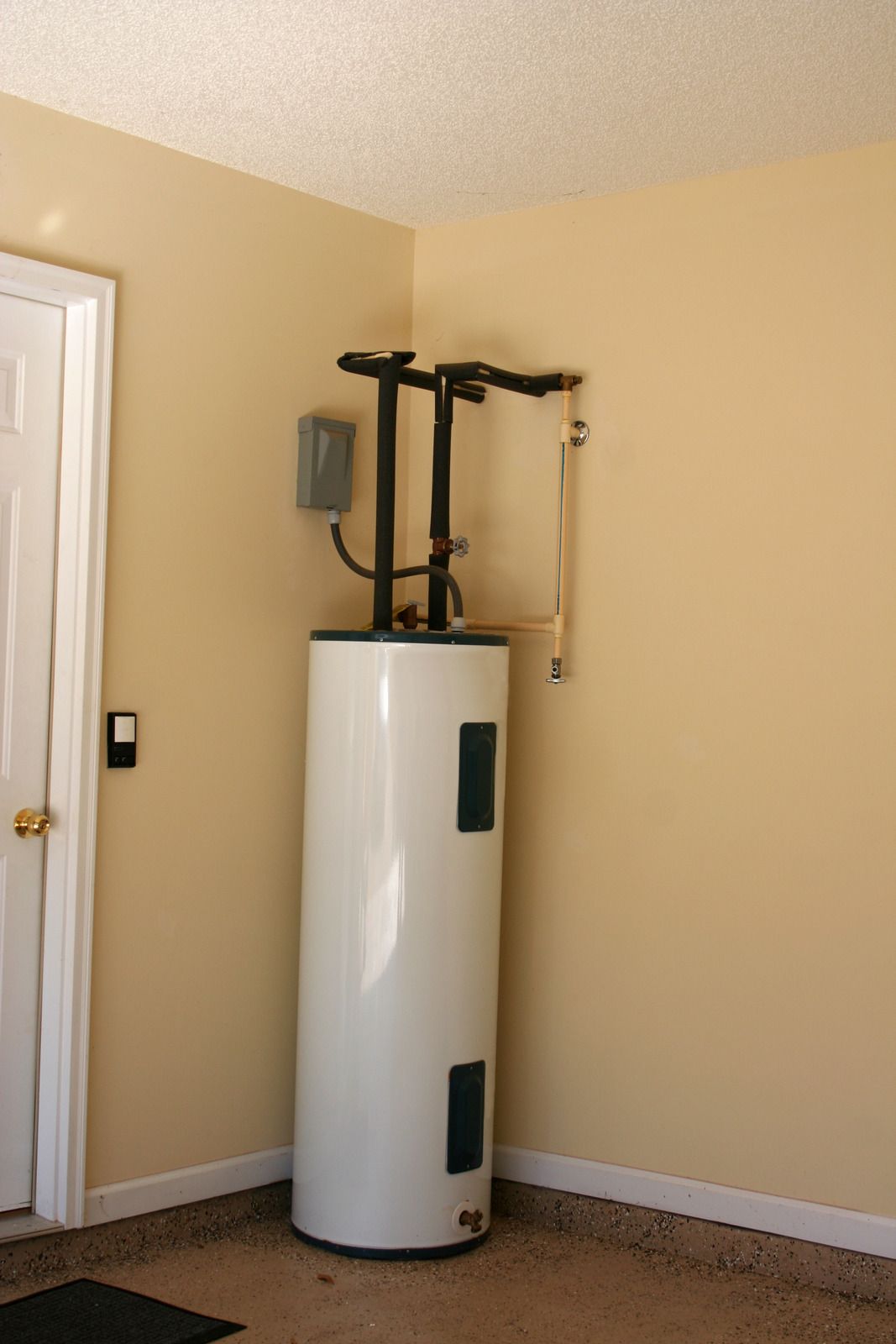
A standard storage water heater is basically an insulated barrel. Cold water enters through a dip tube that runs down the inside and releases near the bottom, where the burner or heating elements warm it. Hot water rises and collects at the top, where the outlet feeds your fixtures. That layering, hot on top and cold feeding in at the bottom, is what lets a tank deliver a steady stream of hot water instead of a lukewarm blend.
A 40- to 50-gallon tank in good condition gives most households somewhere around 30 to 60 minutes of continuous hot water, depending on flow rates and how hot you keep it. When that window starts shrinking, it means one of a few things: the usable volume inside the tank has dropped, the incoming cold water is mixing with the hot before you draw it, or the heater simply is not charging a full tank the way it used to. Each has a different fingerprint, and telling them apart is what points to the fix.
Sediment Is the Usual Suspect on Well Water
Where it comes from
Groundwater across the peninsula carries dissolved minerals, calcium, magnesium, and often iron, and private wells rarely arrive softened. Every time the heater runs, some minerals settle as grit on the tank bottom, and rural well systems sit at the harder end.
How it steals your hot water
That layer does two things against you. It takes up space that would hold heated water, so a 50-gallon tank stores less. It also insulates the element from the water, forcing longer runs and stretching the recovery time between draws.
The sound that gives it away
If you hear rumbling, popping, or percolating when the heater fires, that is water flashing to steam under the sediment. It is one of the clearest signs the tank has silted up, and it shows as a gradual decline over months.
A Cracked Dip Tube Lets Cold Water Cut in Line
The dip tube is the plastic pipe that carries incoming cold water down to the bottom of the tank so it can be heated before it rises. When that tube cracks, splits, or breaks off short, cold water dumps straight into the top of the tank and mixes with the hot water waiting at the outlet. Instead of hot water followed by cold, you get a full tank of lukewarm, and the drop tends to happen abruptly rather than creeping up over months, which is how it is often told apart from sediment.
An age clue worth knowing
Water heaters built between 1993 and 1997 were commonly fitted with a defective type of dip tube that degrades early, shedding little white or gray plastic flakes as it breaks down. If you own an older unit and start finding small plastic bits clogging faucet aerators and showerheads while your hot water fades, a disintegrating dip tube moves to the top of the list.
Why it is easy to miss
Nothing leaks, nothing looks wrong from outside, and the heater still runs. The only symptoms are lukewarm water and, sometimes, those plastic flakes, so the problem gets blamed on a weak heater when the actual part is quick for a plumber to swap.
TIP: On a well without any treatment, a yearly tank flush is the single most effective habit for holding onto your hot water. Draining the sediment before it hardens keeps usable capacity up and takes strain off the heating element. Skip it for two or three years and a silted-up tank is often what creates the shortage in the first place.
A Failed Lower Heating Element Can Halve Your Capacity
On an electric water heater there are two heating elements, one near the top of the tank and one near the bottom, and they take turns keeping the whole tank hot. The lower element does most of the work, heating the bulk of the incoming cold water. When it burns out, only the upper element keeps running, and it can only heat the top portion of the tank. On a 50-gallon unit, a dead lower element can drop your usable hot water to around 20 gallons, roughly a single short shower before it goes cold.
How this one feels
The hot water runs out fast and hard, not gradually, and the tank takes a long time to recover because half its heating capacity is gone. It is a common failure as elements age, and mineral scale coating the element speeds it along, which ties it right back to well water.
On a gas heater
There are no elements, but a weak burner, a failing thermocouple, or a gas control that is not firing fully produces the same shortened supply. The burner runs but cannot keep the tank fully charged, so you run out sooner than you used to.
Check the Thermostat Before You Assume the Worst
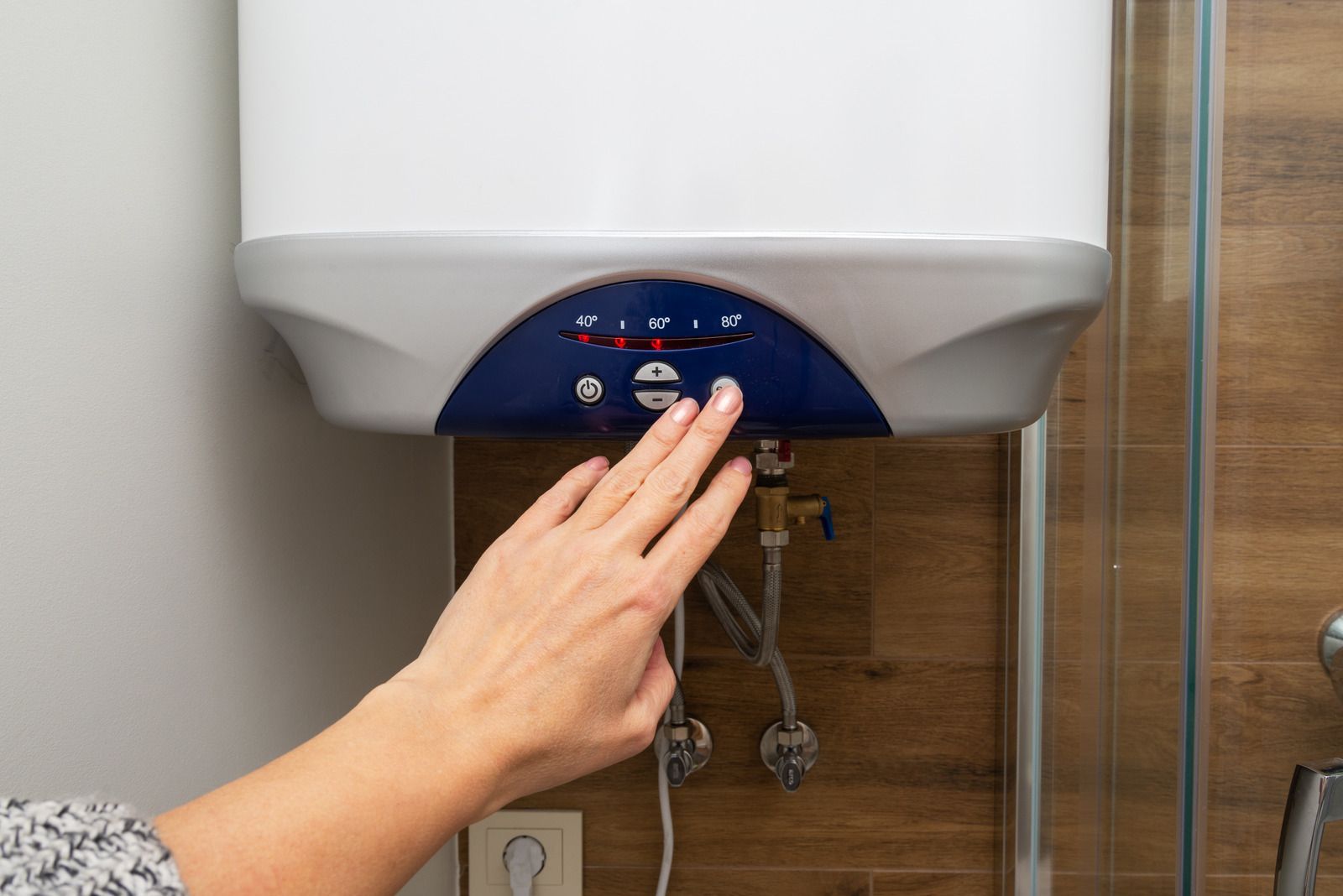
Before condemning a part, look at the temperature setting. Most manufacturers and the Department of Energy point to about 120 degrees Fahrenheit as the sweet spot for a usable supply without a scald risk. If a thermostat has drifted lower, or someone turned it down, the tank produces water that is only warm, so you mix in far less cold at the shower and burn through the tank faster. It can feel exactly like a failing heater when the setting is the whole problem.
Where to look
Electric heaters usually have two thermostats, one behind each access panel; gas units have a dial near the burner control. Confirming the setting costs nothing and takes a couple of minutes. If nudging it back toward 120 restores your supply, you have saved yourself a service call. If the number is already correct and the water still runs short, the cause is mechanical and worth a closer look.
WARNING: If your hot water suddenly turns rusty, brown, or smells like rotten eggs along with running short, do not just keep using it. That points to a corroding tank or a spent anode rod, and once a steel tank starts rusting through from the inside, it is on borrowed time. Have it inspected promptly rather than waiting for it to leak across the floor.
How the Real Cause Gets Pinned Down
Because sediment, a cracked dip tube, a dead element, and a drifted thermostat can all look like the same shrinking supply, sorting them out takes a few checks rather than a guess. A plumber will drain and flush the tank to see how much sediment comes out, test each heating element and thermostat for continuity and correct operation, inspect the dip tube and the anode rod, and confirm the actual water temperature at the tap.
That process separates a tank that just needs a flush and a fresh element from one that has corroded past the point of repair. Most storage water heaters last somewhere around a decade, and on hard well water that clock can run faster, so age factors into whether a repair or a replacement is the smarter call. What you end up with is the specific reason your hot water got short, not a shrug and a new tank you may not have needed.
Frequently Asked Questions
Why does my hot water run out faster on well water than it used to?
Well water carries more dissolved minerals that settle as sediment on the tank bottom. That buildup takes up space and insulates the element, so the tank stores less and reheats slower.
Is a shorter hot water supply always the water heater itself?
Usually, but not always. Sediment, a failed element, a cracked dip tube, or a low thermostat are common causes. Added demand from a new shower or more people can also outpace the tank.
How can I tell sediment from a broken dip tube?
Timing is the biggest clue. Sediment builds slowly, so the supply shrinks over months with rumbling sounds. A cracked dip tube causes a sudden shift to lukewarm water, sometimes with white plastic flakes.
Will flushing the tank bring my hot water back?
If sediment is caught before it hardens, a flush often restores much of the lost capacity and recovery speed. Cemented buildup needs professional equipment, and flushing will not fix a dead element.
What temperature should my water heater be set to?
Around 120 degrees Fahrenheit is widely recommended, hot enough for a full supply and low enough to limit scald risk. If yours drifted below, the water feels like it runs out faster.
Does running out of hot water mean I need a new water heater?
Not necessarily. Sediment, a failed element, a bad thermostat, and a cracked dip tube are repairs on a sound tank. A heater past ten years that is rusting is better replaced.
Getting a Full Tank of Hot Water Back
Schedule a water heater diagnosis — Steady hot water for back-to-back showers and morning routines should not be something you ration, and running out early is a fixable problem once you know whether it is sediment, a cracked dip tube, a burned-out lower element, or a drifted thermostat. Bill Blair Plumbingflushes mineral buildup, tests both heating elements and thermostats, inspects the dip tube and anode rod, and recommends a replacement only when a repair no longer makes sense. With 25years serving Silverdale and Seabeck, Washington, certified plumbers, emergency response, and honest pricing, the team pinpoints what is draining your hot water and restores a full tank. Reach out to book your
water heater assessment
and get dependable hot water back.