No Hot Water? Common Water Heater Problems and What They Mean
March 26, 2026
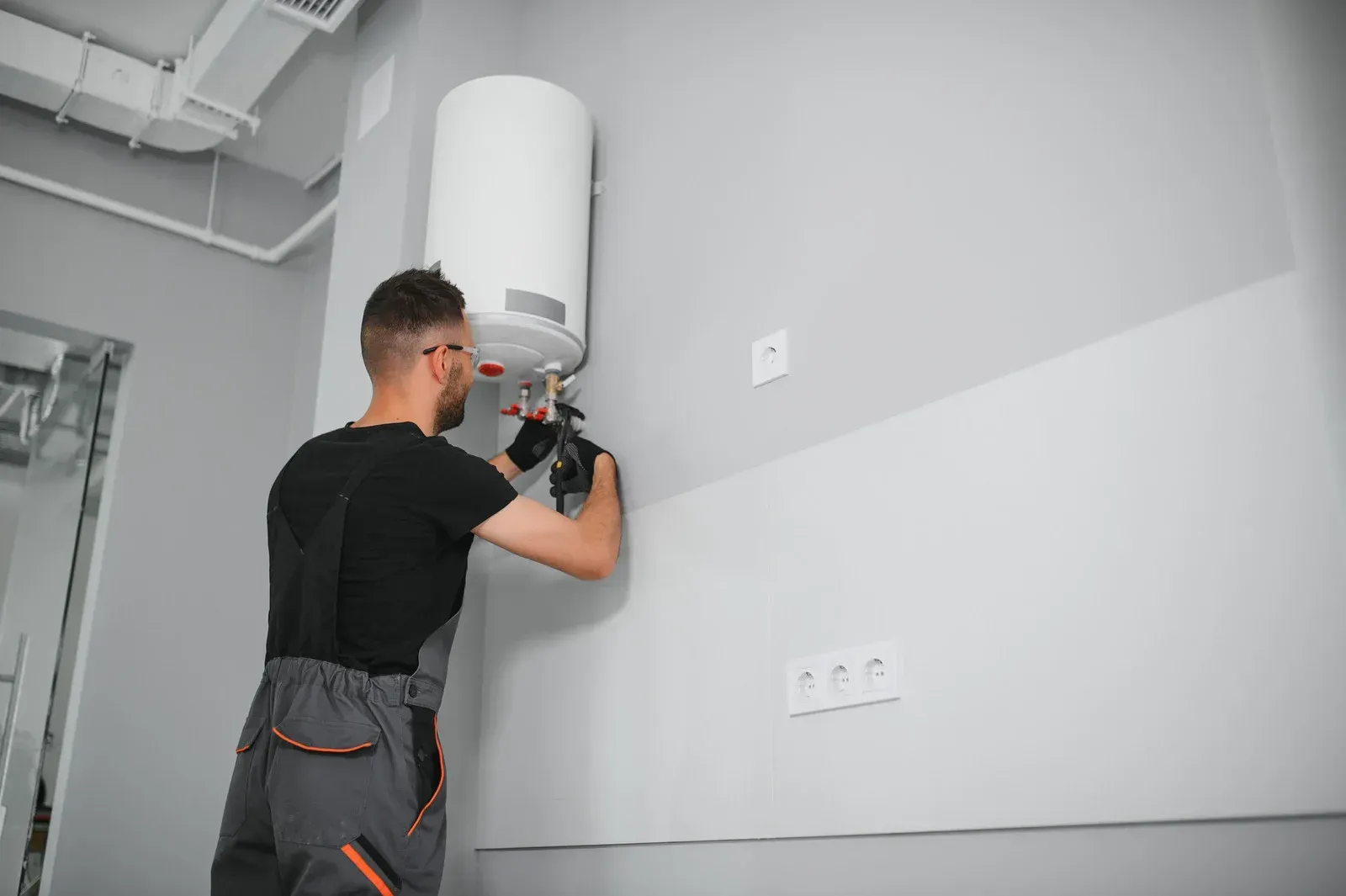
Few household inconveniences are as immediately frustrating as turning on the tap and finding no hot water. Whether it’s a cold shower on a winter morning or a dishwasher that can’t complete its cycle, the lack of hot water disrupts daily routines and can signal underlying issues with your home’s plumbing system. For many homeowners, the first thought is a simple fix, but water heater problems can be more complex and require careful diagnosis. Understanding the common problems that cause water heaters to fail is essential for homeowners who want to maintain comfort, avoid extended downtime, and prevent costly repairs that could have been avoided.
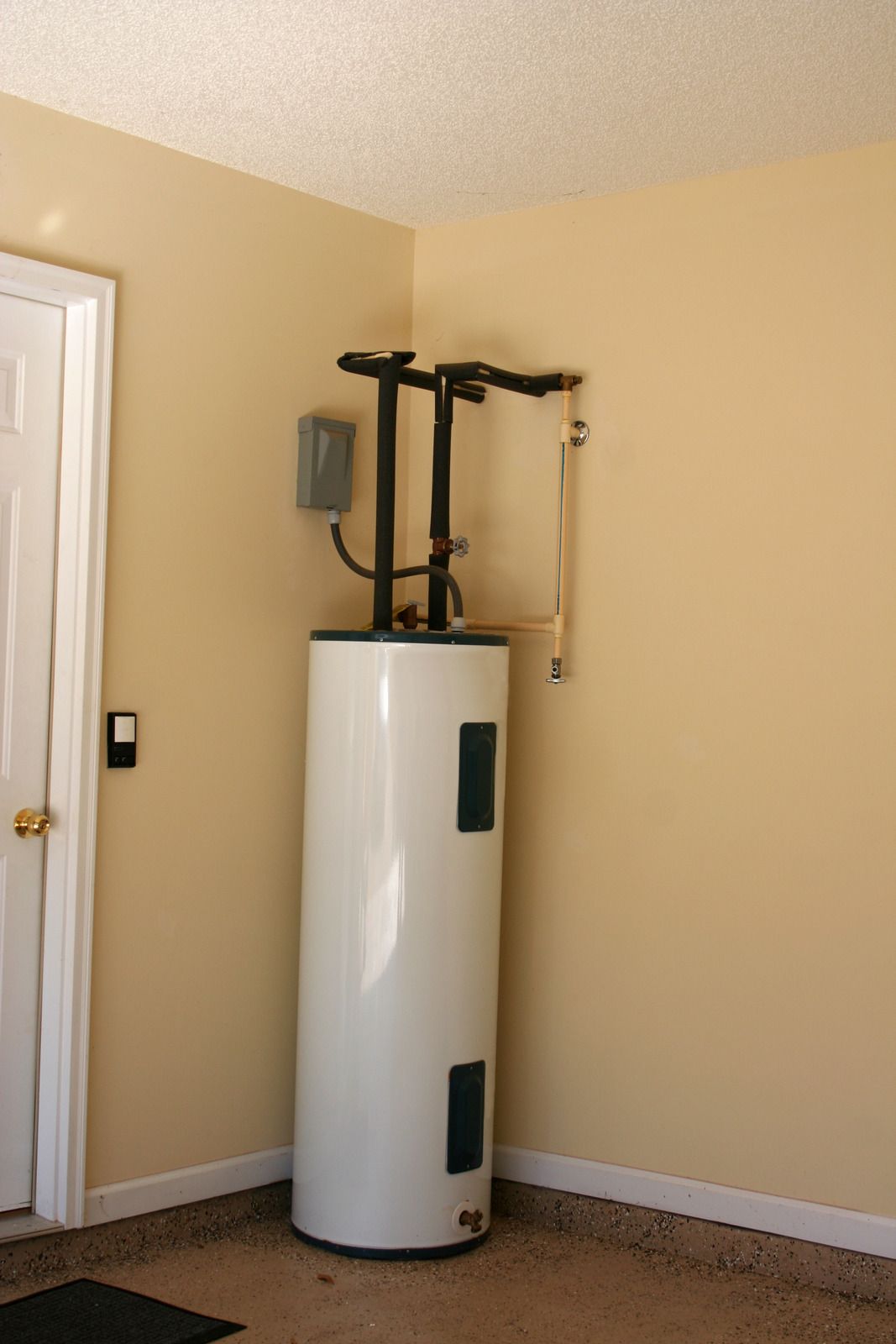
Water heaters are complex systems with several components, including the heating element, thermostat, pressure relief valve, and tank. Malfunctions in any of these parts can lead to reduced efficiency, inconsistent temperatures, or complete failure of the system. Identifying the signs early can save homeowners time, money, and unnecessary stress. From sediment buildup that insulates the water from heat, to electrical or gas issues that prevent the heater from functioning properly, the range of possible problems requires careful attention and timely action. In this article, we will explore the most frequent water heater issues, explain what they mean, and offer actionable insights to help you troubleshoot or know when to call a professional. By understanding these common challenges, you can ensure your home remains warm, efficient, safe, and reliable year-round.
1. Pilot Light and Ignition Issues
Pilot Light Problems in Gas Water Heaters
For gas water heaters, the pilot light is essential—it ignites the main burner, heating the water in the tank efficiently and reliably. If the pilot light goes out, no hot water will flow at all, which can disrupt daily routines significantly. Common causes include a faulty thermocouple, a draft that blows out the flame, or temporary gas supply interruptions. Homeowners may notice that the pilot light refuses to stay lit consistently or that relighting it provides only temporary relief before going out again.
Ignition Failures in Modern Systems
Modern water heaters often use electronic ignition systems instead of a traditional pilot light, providing better energy efficiency and convenience. While these systems are more reliable, they can fail due to electrical problems, wiring issues, or a malfunctioning control module. Signs include repeated clicking without ignition, error codes appearing on digital displays, or intermittent heating that is inconsistent during use.
Best Practices
Regular inspection of pilot lights or ignition systems is crucial for safety and proper performance. Gas water heaters should be checked for gas leaks, vent blockages, or dirt accumulation, while electronic ignition systems benefit from periodic professional diagnostics and maintenance. Maintaining these systems can prevent a complete loss of hot water, improve overall efficiency, and protect your home from potential hazards.
2. Sediment Buildup in the Tank
How Sediment Accumulates
Over time, minerals in water, particularly calcium and magnesium, settle at the bottom of the water heater tank, forming thick sediment layers. This accumulation is most common in areas with hard water, which can accelerate the problem significantly. Sediment acts as an insulator, preventing the heating element or burner from effectively warming the water, reducing efficiency, and sometimes causing the water heater to fail entirely or work intermittently.
Signs of Sediment Problems
Homeowners may notice unusual noises, such as popping, rumbling, or crackling sounds, which indicate water trapped under sediment layers heating and releasing steam. Another sign is a reduced hot water supply, fluctuating water temperatures, or delayed heating. In severe cases, sediment can lead to leaks by corroding the tank from the inside over time.
Maintenance and Prevention
Flushing the water heater annually can remove sediment buildup and extend the appliance's life substantially. For households in areas with hard water, installing a water softener or scale inhibitor is highly recommended. Regular maintenance ensures consistent water temperatures, improves energy efficiency, and prevents premature system failure or costly repairs.
3. Thermostat and Temperature Control Issues
Malfunctioning Thermostats
The thermostat regulates water temperature by signaling the heating element or burner to turn on and off precisely. If the thermostat fails, the water may remain cold, become excessively hot, or fluctuate unpredictably, creating discomfort. Common causes include worn-out components, corrosion, electrical faults, or incorrect calibration that needs professional adjustment.
Inconsistent Heating
When water temperatures vary unexpectedly during use, it can indicate a thermostat issue or a problem with dual-element electric water heaters. Electric models often have both an upper and lower thermostat; if one fails, water may not reach the desired temperature consistently across the home.
Troubleshooting Tips
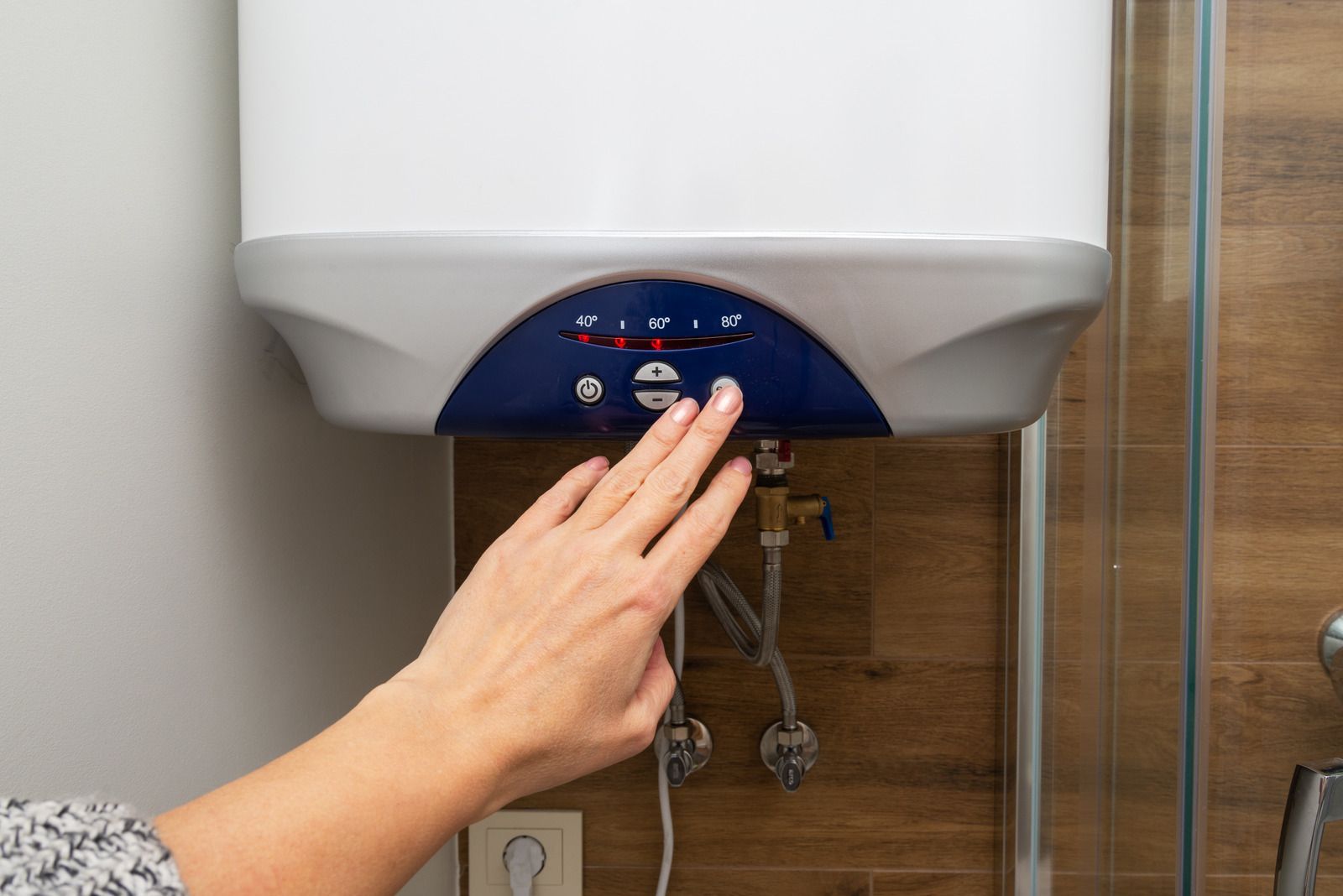
Homeowners can test the thermostat by adjusting the temperature setting slightly and observing water output carefully. However, precise diagnosis often requires a professional who can measure voltage, resistance, and temperature accurately. Replacing, recalibrating, or upgrading the thermostat can restore proper water heating, prevent energy waste, and improve home comfort reliably.
4. Leaks and Water Pressure Problems
Common Causes of Water Heater Leaks
Leaks are among the most visible and damaging signs of water heater failure. They can occur from the tank itself due to corrosion, from loose plumbing connections, or from the temperature and pressure relief valve. Tank leaks are particularly serious because they indicate structural damage that often requires a complete replacement of the unit.
Pressure-Related Issues
High water pressure can stress the tank and plumbing connections, resulting in leaks, bursts, or premature failure. Pressure buildup is typically caused by a malfunctioning temperature and pressure relief (TPR) valve, a closed plumbing system, or expansion issues that don’t allow proper water flow. Homeowners may notice dripping from the relief valve, damp areas around the water heater, or occasional loud water noises.
Prevention and Action
Regularly checking for leaks, corrosion, and monitoring water pressure can prevent sudden failures and minimize water damage risks. Installing an expansion tank for closed water systems helps absorb excess pressure effectively. Immediate repair of minor leaks and valve issues can save the home from serious water damage and reduce repair costs significantly.
5. Heating Element or Burner Malfunctions
Electric Water Heaters
Electric water heaters rely on one or more heating elements to raise the water temperature to the desired level efficiently. These elements can burn out over time due to scale buildup, continuous use, or power surges. Signs include lukewarm water, uneven heating, delayed recovery time, or complete loss of hot water during extended use. Replacing the element is a straightforward fix but requires caution due to electrical hazards and safety considerations.
Gas Water Heaters
Gas water heaters use burners to heat water consistently and quickly. If the burner becomes clogged with dust, rust, or debris, it may fail to ignite, burn inefficiently, or cause uneven heating. A yellow flame instead of blue can indicate incomplete combustion or sediment interference. This reduces efficiency, increases gas usage, and can pose safety hazards, including carbon monoxide buildup or fire risk.
Professional Assessment
For both electric and gas models, regular inspection of heating components ensures optimal performance, safety, and longevity. Cleaning burners, checking electrical connections, and replacing worn elements are standard preventative maintenance tasks. Properly maintained systems operate more efficiently, remain safer for households, and can last well beyond the average lifespan.
6. Age and General Wear
Lifespan of Water Heaters
Most water heaters last between 8 to 15 years, depending on usage frequency, water quality, and proper maintenance. As appliances age, internal components naturally degrade, leading to reduced efficiency, leaks, inconsistent water temperatures, and potential safety hazards. Older models may also lack modern energy efficiency or safety improvements.
Indicators of Aging
Signs of an aging water heater include rusty water, frequent repairs, unusual noises during operation, and a noticeable decrease in hot water supply. Older units may also have outdated safety features, increasing the risk of leaks, bursting, or even explosions in extreme cases.
Replacement Considerations
If a water heater is approaching the end of its typical lifespan or requires repeated repairs, replacement is often the most cost-effective solution. Modern models offer higher efficiency, improved safety features, and better water quality. Consulting a professional plumber ensures proper sizing, installation, and compliance with local regulations while extending peace of mind for homeowners.
Trusted Water Heater Solutions From Our Experts
For over 25
years, Bill Blair Plumbing
has provided reliable plumbing solutions to residents in Silverdale and Seabeck, Washington. Our team of licensed professionals specializes in diagnosing and repairing water heater issues, ensuring consistent hot water and optimal system performance. From sediment removal and thermostat repairs to
full water heater replacement, we combine expertise, high-quality parts, and transparent service to address every plumbing challenge. Homeowners trust us for prompt response times, thorough inspections, and long-lasting solutions that prevent future problems. Whether it’s an emergency repair or routine maintenance, our commitment to excellence guarantees that every water heater functions safely and efficiently. With decades of local experience, Bill Blair Plumbing
is your trusted partner for keeping your home comfortable, efficient, and worry-free.