Signs Your Drains Are Clogged — And Why DIY Chemicals Make It Worse
January 29, 2026
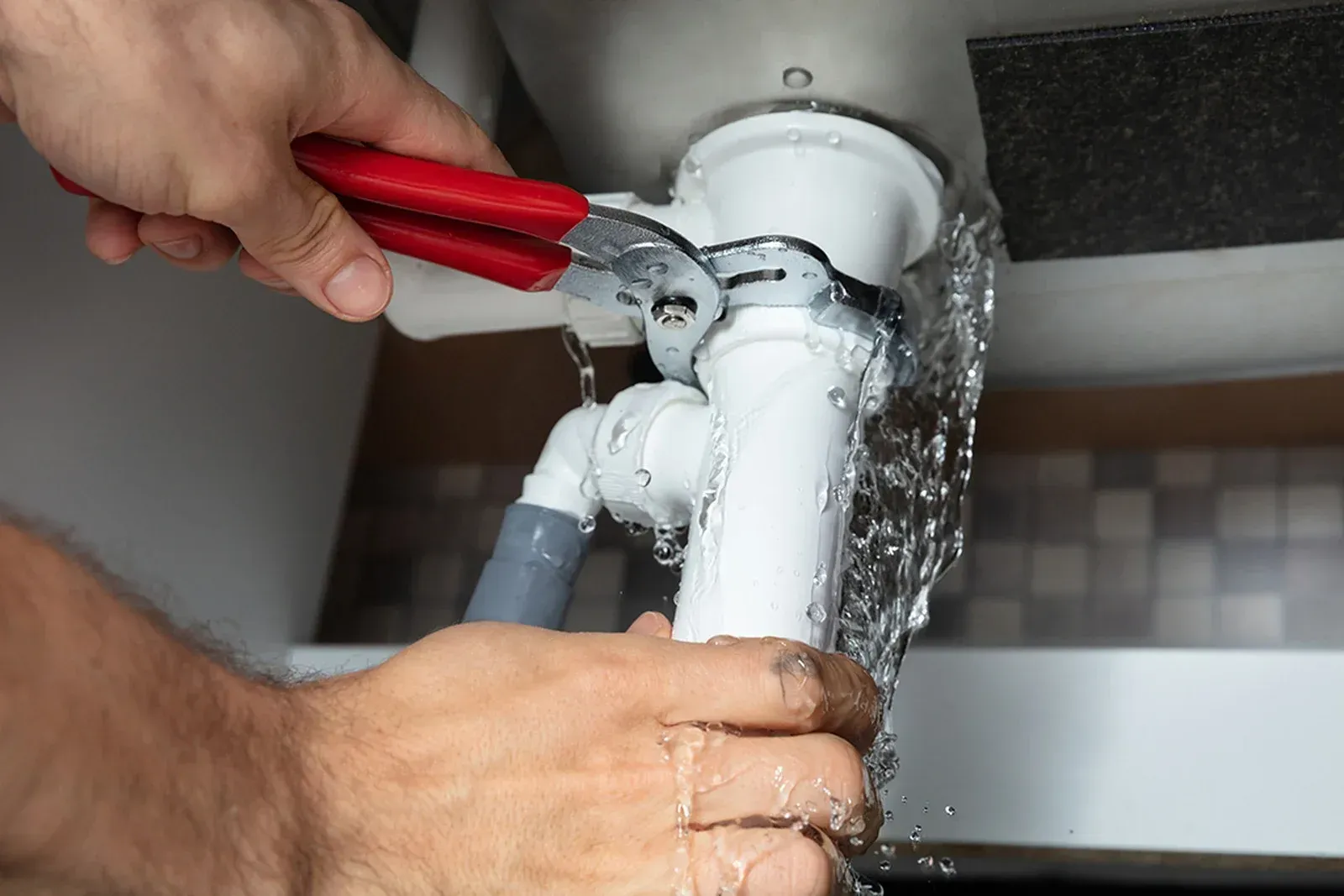
A properly functioning drainage system is one of the silent pillars of a healthy home. Yet, drains often face neglect until a problem becomes impossible to ignore. A slow-draining sink or a gurgling toilet might seem minor at first, but these are often early indicators of a more serious underlying clog. Understanding the signs of clogged drains is crucial for homeowners and renters alike, as timely intervention can prevent costly repairs, water damage, and sanitation issues. Plumbing problems, if left unaddressed, tend to escalate quickly, turning what could have been a simple fix into a major household disruption.
Many people are tempted to solve minor drain issues themselves using over-the-counter chemical cleaners. While these products may offer temporary relief, they often mask the real problem and can cause significant long-term damage. Harsh chemicals can erode pipes, lead to leaks, and even worsen blockages over time. Knowing the difference between manageable symptoms and serious clogging, and understanding the risks of DIY chemical solutions, equips homeowners with the knowledge to make smarter decisions. This article will explore the common signs of clogged drains, explain why chemical solutions may do more harm than good, and provide actionable guidance on safe, effective alternatives for maintaining your plumbing system.
Common Warning Signs of a Clogged Drain
Clogged drains rarely appear overnight. Most blockages develop gradually, giving homeowners subtle signals that their plumbing requires attention. Recognizing these early warning signs can save time, money, and prevent unnecessary water damage.
Slow Draining Water
One of the most common indicators is water that drains more slowly than usual. A kitchen sink that takes longer to empty after washing dishes or a bathroom sink where water lingers after brushing your teeth signals that debris, grease, or hair may be partially obstructing the pipe. Slow drainage is often the earliest and most noticeable symptom of a developing clog.
Gurgling or Bubbling Sounds
Unusual noises coming from your drains, such as gurgling or bubbling, are a sign that air is trapped due to a blockage. This occurs when water struggles to pass through a partially blocked pipe, forcing air back up through the drain. Gurgling is especially common in toilets and floor drains and should not be ignored.
Foul Odors
A persistent, unpleasant smell near sinks, showers, or drains is often caused by trapped organic matter decomposing within the pipes. Food particles, hair, and soap scum can accumulate over time, creating a breeding ground for bacteria and mold. These odors signal that a clog is forming and that cleaning is necessary.
Recurrent Standing Water
If water consistently pools around your drains or backs up into sinks, showers, or bathtubs, this is a strong indicator of a significant blockage. Standing water can damage flooring, cabinets, and personal property if not addressed promptly.
Overflowing Fixtures
Frequent overflows, especially in toilets, are serious warning signs. Overflows indicate that water cannot flow freely through the pipes, potentially leading to backups and flooding. Immediate attention is required to prevent property damage and health hazards.
Recognizing these warning signs early allows homeowners to act before minor issues become costly emergencies. Understanding the causes behind these symptoms is equally important, which brings us to the risks associated with common DIY chemical solutions.
The Hidden Dangers of DIY Chemical Drain Cleaners
DIY chemical drain cleaners are a popular quick fix for slow or clogged drains. While they may provide temporary relief, these products carry significant risks that many homeowners overlook.
Pipe Corrosion
Many chemical drain cleaners contain strong acids or bases designed to dissolve organic matter. While effective at breaking down hair or grease, repeated use can corrode metal pipes and even weaken PVC connections over time. Corrosion leads to leaks, pipe failure, and costly replacements—problems far worse than the original clog.
Incomplete Clog Removal
Chemical cleaners often only clear the surface blockage. The main buildup of debris may remain deeper in the pipe, gradually worsening the clog. Homeowners may find themselves repeatedly using chemicals, which compounds the risk of pipe damage.
Health Hazards
Chemical cleaners pose serious health risks. Accidental skin contact or inhalation of fumes can cause burns, respiratory irritation, or other injuries. They also present a danger to children and pets if left accessible.
Environmental Impact
The harsh chemicals in drain cleaners do not simply disappear after flushing. They enter wastewater systems, potentially harming aquatic life and contributing to environmental pollution. Regular use of these products is not environmentally sustainable.
Escalating Costs
Although marketed as an inexpensive solution, the long-term costs of chemical cleaners can far exceed professional services. Damaged pipes, repeated treatments, and emergency plumbing visits often result in higher overall expenses.
The combination of these risks makes chemical cleaners an unreliable and potentially dangerous choice for homeowners. Understanding safer, more effective alternatives is essential for maintaining the integrity and longevity of your plumbing system.
Real-World Causes of Clogged Drains
Clogged drains are rarely caused by a single factor. Understanding common causes helps homeowners prevent issues before they escalate.
Hair Accumulation
Bathrooms are particularly prone to clogs due to hair accumulation. Hair can bind with soap scum and other debris, forming dense blockages over time. Hair-related clogs are usually slow to develop but can become stubborn if neglected.
Grease and Fat Buildup
Kitchens often face clogs from grease, oil, and fat poured down the sink. These substances solidify in pipes, gradually narrowing the flow path and creating a sticky surface that attracts other debris. Over time, grease buildup can lead to significant blockages.
Food Particles and Waste
Small food scraps, coffee grounds, and fibrous materials like potato peels contribute to kitchen sink clogs. While modern garbage disposals can help, improper use or overloading can exacerbate the problem.
Foreign Objects
Accidental disposal of non-degradable items, such as wipes, cotton balls, or small toys, can obstruct pipes. Unlike organic matter, these objects often require manual removal by a plumber.
Tree Roots and Aging Pipes
Outdoor drains are vulnerable to tree root intrusion. Roots seek moisture and can infiltrate small cracks, causing blockages and even structural pipe damage. Aging pipes may also degrade internally, allowing debris to accumulate and reduce flow efficiency.
Identifying the underlying cause of a clog is crucial for effective resolution. DIY solutions may temporarily mask the problem without addressing the root cause, which can lead to recurring issues and higher repair costs.
Safe and Effective Alternatives to Chemical Cleaners
While chemical cleaners pose significant risks, homeowners do have safer options to maintain clear drains.
Mechanical Tools
Tools like plungers, drain snakes, and augers can physically remove blockages without damaging pipes. These tools allow for targeted clearing of hair, debris, and other obstructions. A manual drain snake, for example, can reach deep into pipes to remove stubborn clogs effectively.
Expert Reasoning: Maintaining your water heater through annual inspections can prevent most emergencies, but sudden failures still require rapid professional intervention.
Enzyme-Based Cleaners
Enzyme-based or bio-cleaners provide a safer chemical alternative. These products use natural enzymes and bacteria to break down organic matter slowly. While slower to act than harsh chemicals, enzyme cleaners are safe for pipes, septic systems, and the environment.
Preventive Maintenance
Regular preventive maintenance is key to avoiding serious clogs. Simple habits such as using drain guards, avoiding grease disposal down sinks, and periodically flushing drains with hot water can reduce buildup. Routine inspection and maintenance by professionals can identify potential issues before they escalate.
Professional Plumbing Services
Professional plumbers have access to advanced equipment like hydro-jetting systems, which clear pipes thoroughly without chemicals. They can also inspect the system using cameras, identifying hidden problems such as pipe damage or root intrusion. Professional intervention ensures clogs are resolved fully and safely.
By adopting these safe alternatives, homeowners can protect their plumbing infrastructure, avoid environmental hazards, and reduce recurring issues.
Best Practices for Preventing Clogged Drains
Prevention is always better than cure when it comes to plumbing. Establishing good habits can minimize the risk of clogs and costly repairs.
Proper Waste Disposal
Never pour grease, oil, or coffee grounds down drains. Dispose of fibrous or sticky foods in the trash rather than the sink. Use drain strainers to catch hair and food debris before it enters pipes.
Routine Cleaning
Regularly clean drains using safe methods like hot water flushes or enzyme cleaners. Avoid over-reliance on chemical products.
Monitor Drain Performance
Pay attention to water flow and unusual sounds. Early detection of slow drainage or gurgling can prevent a full-blown clog.
Scheduled Professional Check-Ups
Even well-maintained plumbing benefits from periodic professional inspections. A plumber can identify potential weak points, minor blockages, and pipe deterioration before they develop into emergencies.
Adhering to these practices can dramatically reduce the frequency of drain problems, prolong the lifespan of your plumbing system, and maintain a healthy, hygienic home environment.
Dependable Drain Care from Trusted Plumbing Specialists
At
Bill Blair Plumbing, we bring 25
years of experience serving Silverdale and Seabeck, Washington. Our team is dedicated to delivering trusted,
professional plumbing
solutions for every home. From identifying early signs of clogged drains to providing expert cleaning and repairs, we prioritize safety, efficiency, and long-term results. When you choose
Bill Blair Plumbing, you gain a reliable partner committed to protecting your home’s plumbing system and ensuring peace of mind for years to come.