Is Your Tap Water Safe? What’s Really Inside Your Home’s Water Supply
June 29, 2026
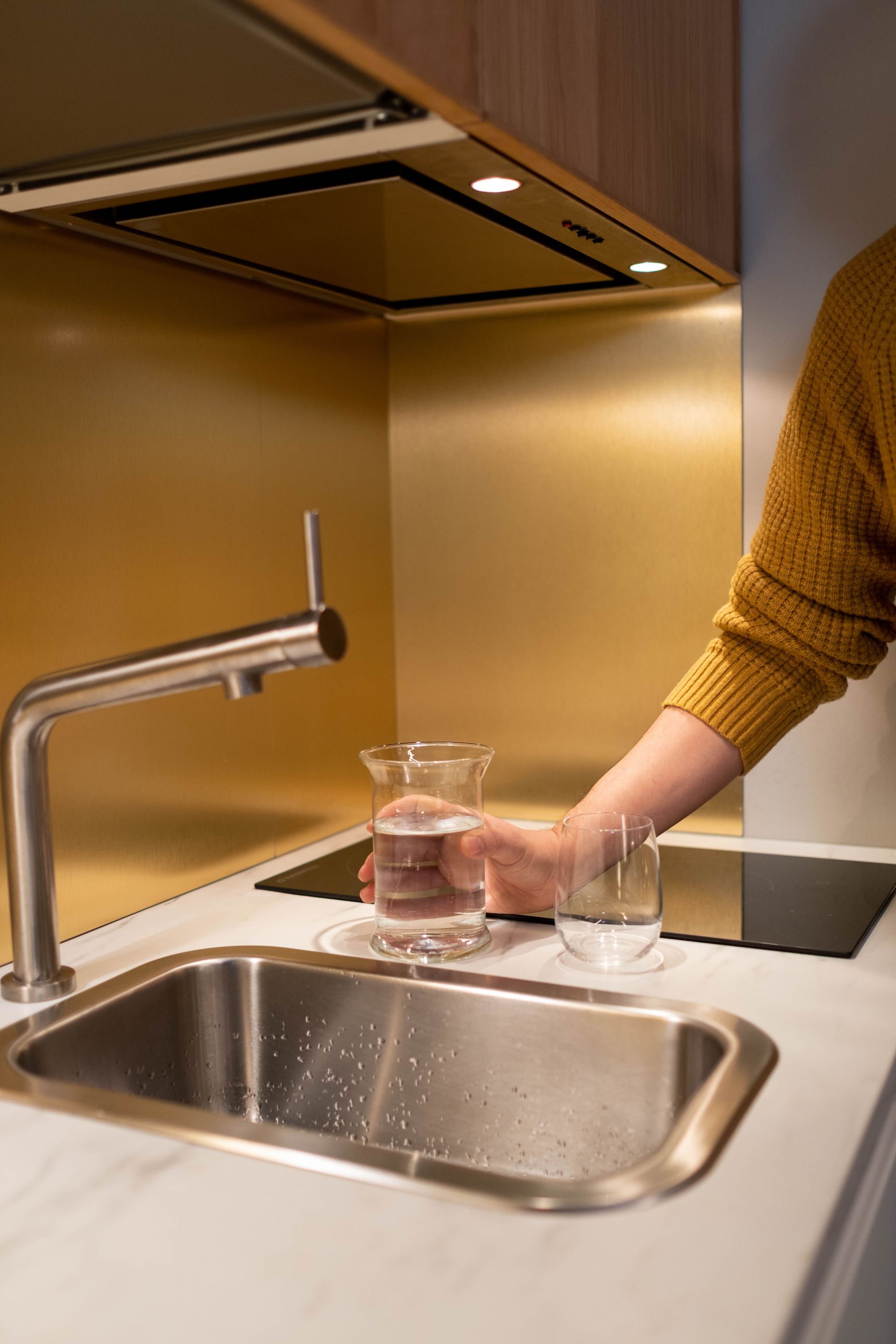
You turn on the kitchen faucet to fill a glass, and the water comes out with a cloudy tint that slowly clears from the bottom up. Or maybe it smells faintly of sulfur first thing in the morning. Something feels off, and now you are standing at the sink wondering whether the water your family drinks and bathes in is actually clean.
Here is the short answer. Most of what shows up in home water is harmless minerals and dissolved metals, and you can usually tell the safe stuff from the real problems by sight, smell, and feel. After inspecting plenty of these systems, we know the cloudy glass that clears on its own is almost never the issue. The things that quietly damage pipes and change how your water tastes tend to hide until something leaves a mark.
Start Here Before You Worry
If your water suddenly looks, smells, or tastes different, run a few quick checks first.
First, fill a clear glass from the cold tap and let it sit. If the cloudiness clears from the bottom up within a minute, that is trapped air and harmless. If it stays cloudy or leaves grit, that means sediment or minerals. Second, check whether the trouble hits every faucet or just one. A single bad tap usually means a clogged aerator, while trouble everywhere points to the main supply or your source. Third, notice the timing. Smells that only show up after the water sits overnight often trace back to your water heater or a well.
TIP: Fill three glasses, one from the kitchen, one from a bathroom, and one from an outside spigot. Comparing them side by side tells us fast whether the problem is one fixture or the whole supply.
WARNING: If your water suddenly turns brown, oily, or carries a chemical or fuel smell, stop drinking and cooking with it right away and call us before using it again. That pattern can signal contamination that no home filter is built to handle.
What Is Really Inside Your Water
Most of what ends up in home water comes from the ground it travels through, not from inside your house.
Hardness is the most common. As water moves through rock and soil, it picks up calcium and magnesium. You see it as white crust on faucets, spots on glassware, and soap that never rinses clean. It will not hurt you, but over eight to ten years it can choke a water heater and narrow your pipes. Iron and manganese come next. Iron leaves orange staining, manganese leaves black flecks, and both make water taste metallic without being dangerous at typical levels.
Acidic water is one we run into constantly in our area. Naturally soft and slightly acidic, it slowly eats at copper pipes and brass fittings, and the telltale sign is a blue or green stain in tubs and sinks. Left alone for years, this is what produces pinhole leaks in copper lines. Hydrogen sulfide is the rotten egg smell, from sulfur in groundwater or the water heater, unpleasant but not harmful at household levels. Sediment and bacteria round out the list, and bacteria show up mostly in wells after heavy rain pushes surface water in.
How We Find the Real Cause
When we test a home's water, we are hunting for the source, not just confirming the symptom.
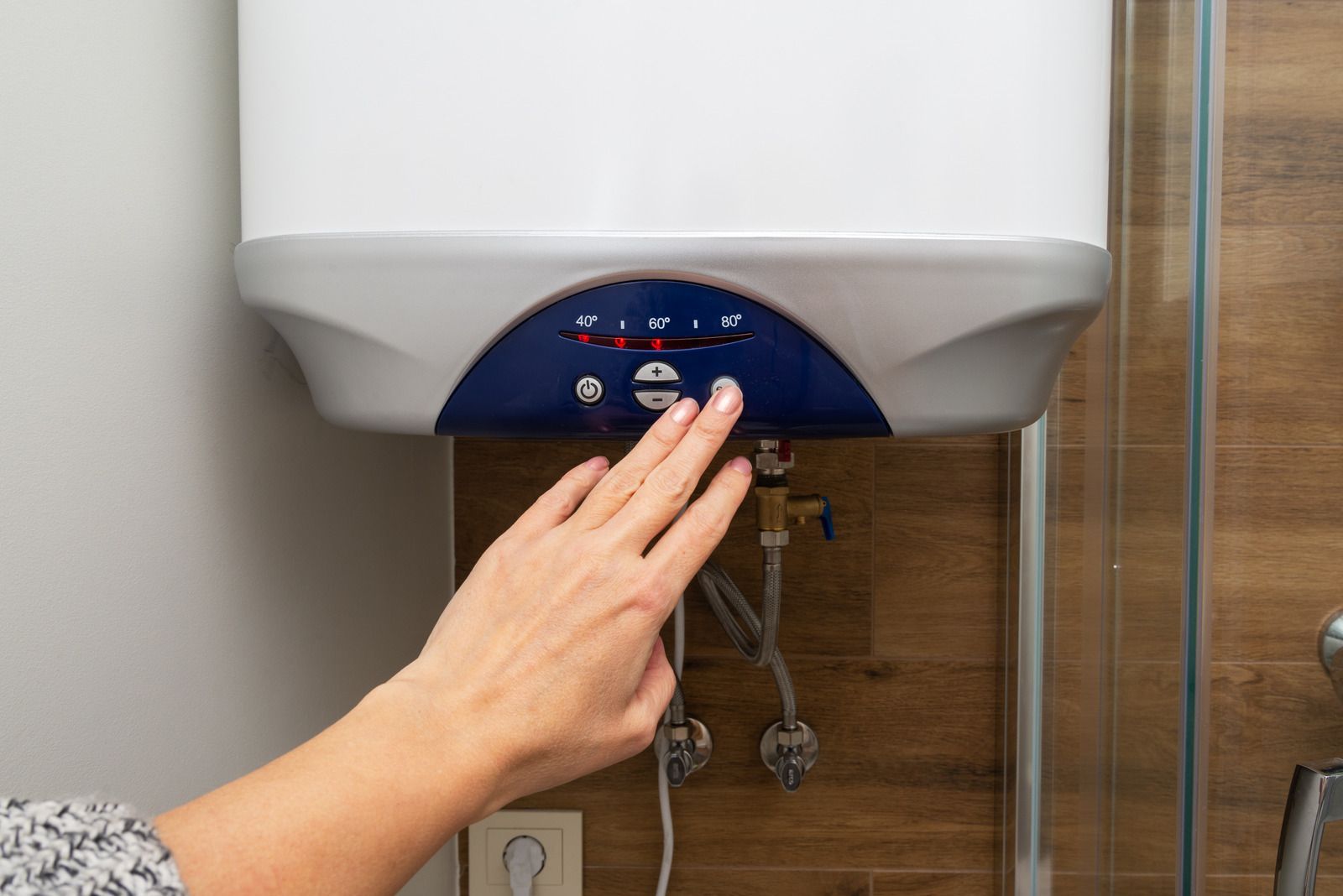
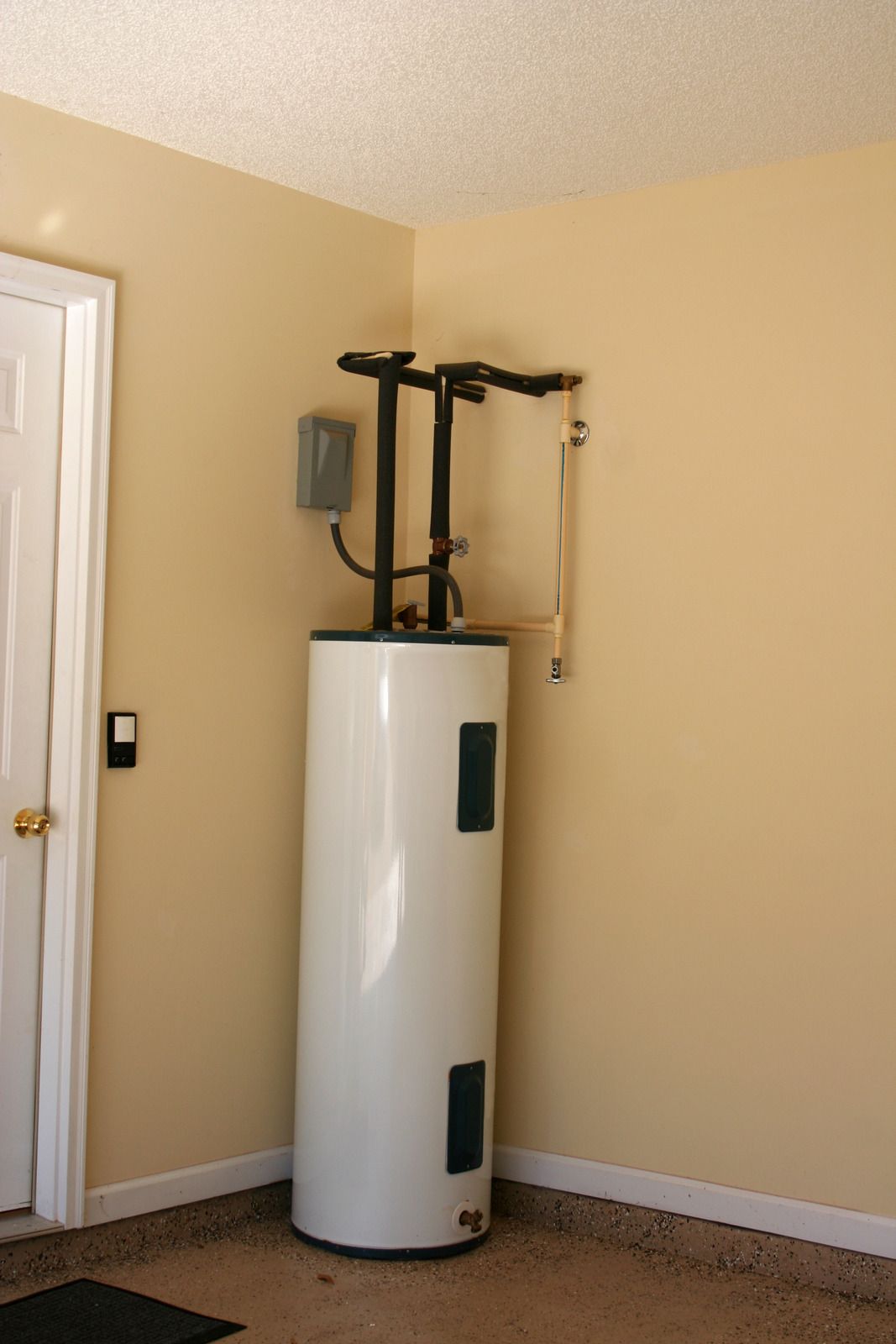
We start at the meter or well head and work toward the fixtures, because the same brown water can come from a corroding main, a failing water heater, or one rusted supply line. A pressure reading tells us plenty, since most homes run around fifty psi and wild swings point to mineral buildup choking the lines. On service calls we often find a homeowner blamed the well when the real culprit was a water heater pushing sulfur smell into the hot water only. That is why we compare hot and cold separately. If only the hot side stinks, the source is usually fine and the heater is the issue.
What You Can Actually Do About It
The right fix depends on what is in your water, which is why testing comes first.
For hardness, a whole home softener swaps the hard minerals out and protects every pipe and appliance. For acidic water eating your copper, an acid neutralizer raises the pH before the water reaches your pipes, and it is the most valuable upgrade we install in our region because it stops pinhole leaks before they start. For iron, manganese, and sulfur, a whole home filter sized to your levels clears the staining and the smell. For bacteria in a well, a UV purifier kills it as the water passes through, with nothing added.
A simple under sink or pitcher filter is something you can install yourself in minutes. It improves taste and catches grit at one tap, fine for drinking water. Honest answer: if your only complaint is taste, start at the tap. If you are seeing blue or green staining, recurring leaks, or scale on fixtures, the problem is in the whole supply, and a single filter only masks it.
Why Water Around Here Behaves Differently
Water in our part of the Pacific Northwest tends to be naturally soft but slightly acidic, which causes problems you would not see in much of the country.
Soft water sounds ideal, but the same low mineral content that feels gentle makes the water mildly corrosive. Over years it pulls copper from your pipes, which is why we see blue and green staining and pinhole leaks far more often here than average. Our wet climate matters too. Heavy seasonal rain raises the water table and pushes surface water into older or shallow wells, carrying sediment and bacteria with it. Homes near the saltwater have a second concern, since wells close to the shoreline can pick up sodium and chloride over time.
Mistakes We See All The Time
The most common mistake is treating a symptom without finding the cause. People buy a softener to fix a rotten egg smell, but it does nothing for sulfur, so the smell stays. Another is ignoring blue and green stains because they look minor. Those stains are copper dissolving into your water and thinning your pipes from the inside. By the time a leak shows up behind a wall, the damage has been building for years. The last is assuming bottled water solves everything. It handles what you drink, but every shower and every load of laundry still runs on the same untreated supply.
Frequently Asked Questions
Is cloudy tap water safe to drink?
Usually, yes. Cloudiness that clears from the bottom up within a minute is just trapped air and completely harmless. If the water stays milky or leaves grit in the glass, that points to sediment or minerals, and we recommend having a sample professionally tested first.
Why does my hot water smell like rotten eggs?
That sulfur smell usually comes from a reaction inside your water heater, not your water source. When only the hot side stinks and the cold runs clean, the heater is the cause, and replacing the worn part inside often clears the smell up fairly quickly.
Do I need to test my well water?
Yes, at least once a year. A well sits open to whatever the ground carries, and heavy rain can push surface water, sediment, and bacteria into it. Annual testing catches problems early, especially before the wet season when contamination risk climbs the most around here.
Will a water softener remove all contaminants?
No. A softener only handles hardness, the calcium and magnesium that leave scale behind. It does nothing for iron staining, sulfur smell, or bacteria. Each issue needs its own treatment, which is why we always test your water before recommending any single piece of equipment.
Why does our water leave blue or green stains?
Those stains come from copper dissolving into naturally soft, slightly acidic water, which is common across our region. The water is gently corroding your pipes from the inside. An acid neutralizer raises the pH and stops the staining, and more importantly, prevents future pinhole leaks.
Reliable Water Solutions Built On Real Field Experience
With 25
years of experience, Bill Blair Plumbing
has helped homeowners identify water quality issues accurately and recommend solutions that address the actual source of the problem rather than just the symptoms. When your water tastes off or stains your fixtures, we are glad to test it and explain what we find. We help families across Silverdale and Seabeck, Washington, and nearby communities understand exactly what is in their water and what it needs. Reach out and we will get you clean, reliable water you can trust.