Tank vs Tankless: Which Water Heater Saves You More in the Long Run?
April 30, 2026
When it comes to selecting the right water heater for your home or business, one of the key decisions is whether to go for a traditional tank water heater or a more modern tankless model. Both options come with their own set of advantages and drawbacks, but when it comes to saving money over time, understanding the differences is essential. A tank water heater, which stores and heats a set amount of water, has been a staple in many households for decades. However, in recent years, tankless water heaters have emerged as a popular choice, promising on-demand heating without the need for a large storage tank. These advancements in water heating technology claim to offer a more energy-efficient and sustainable solution, making it an appealing option for homeowners and businesses alike. But is this new technology really worth the investment in the long run?
This blog will explore the key differences between tank and tankless water heaters, comparing their energy efficiency, upfront costs, lifespan, maintenance requirements, and overall cost savings. By the end, you will have a better understanding of which option is the most cost-effective for your home or business. We will also discuss real-world scenarios, expert recommendations, and help you navigate through the complexities of choosing the right system. Whether you're building a new home, renovating, or upgrading your existing water heating system, this blog will equip you with the knowledge you need to make an informed and confident decision.
1. Understanding the Basics: Tank vs. Tankless Water Heaters
Tank Water Heaters: Traditional Choice for Many
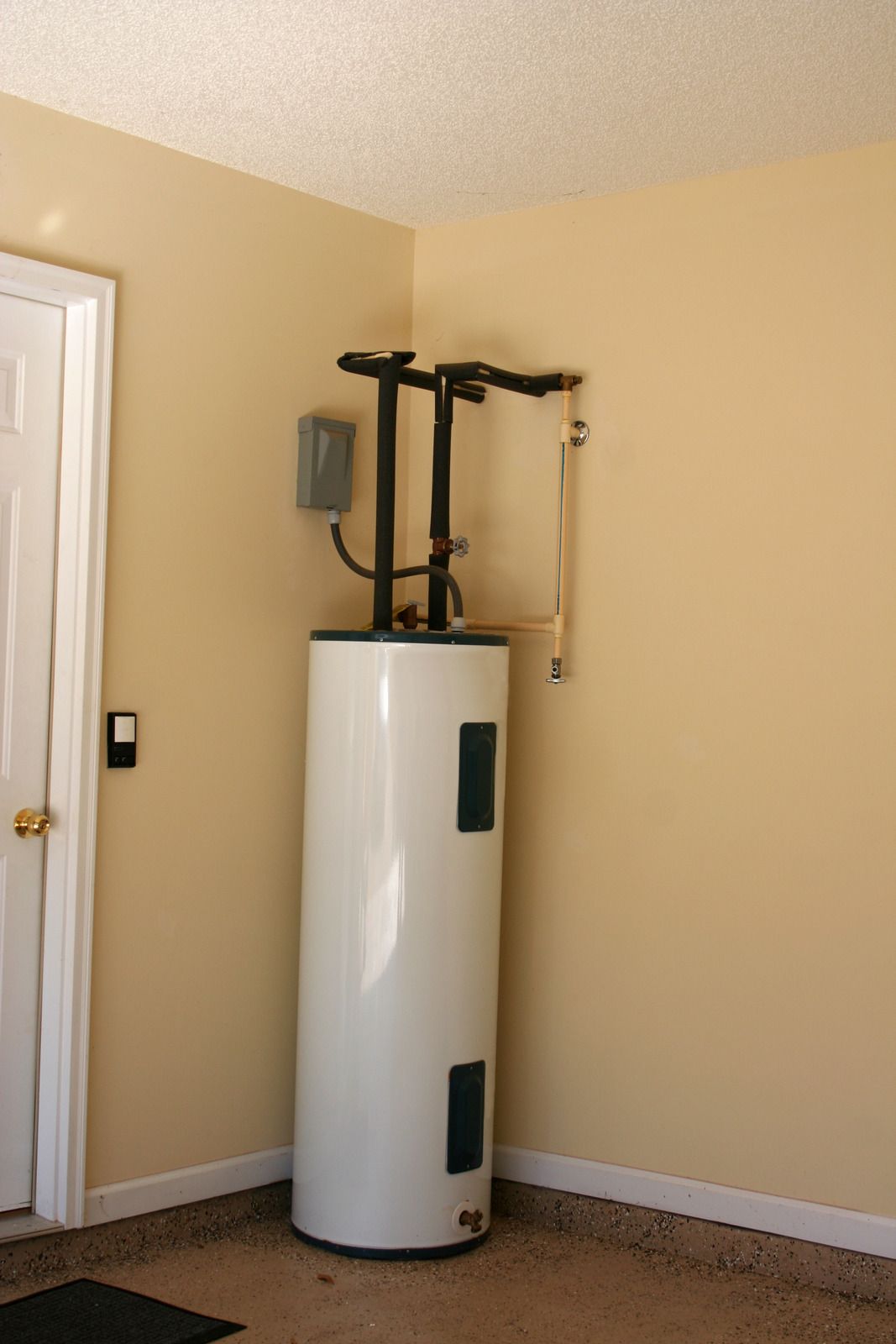
A traditional tank water heater operates by heating a large volume of water stored in a tank. The heater keeps the water hot throughout the day, ensuring a steady supply whenever needed. The standard size of a tank water heater ranges from 30 to 80 gallons, and it uses either gas or electricity to heat the water. Once the water temperature drops, the system automatically kicks in to reheat the water.
Tankless Water Heaters: On-Demand Heating
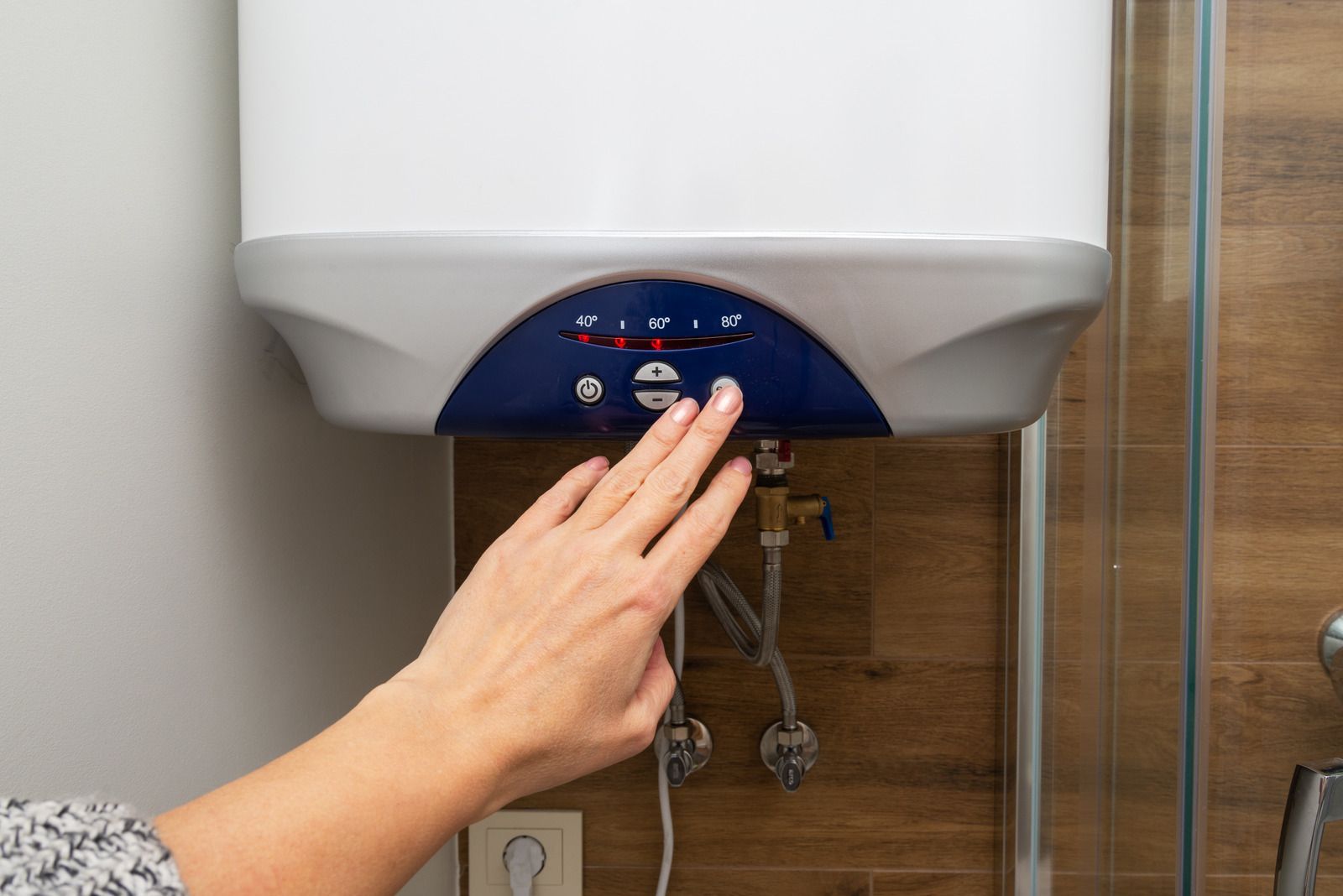
A tankless water heater, on the other hand, heats water as it passes through the system. It doesn’t store water; instead, it uses gas or electricity to heat water instantly when a tap is turned on. This eliminates the need for a storage tank, making it significantly smaller and more compact. Tankless water heaters can provide hot water on demand without ever running out, as long as the flow rate is within the heater's capacity.
2. Energy Efficiency: Which System Saves More?
Tank Water Heaters: Energy Loss Through Standby Heat
One of the biggest downsides of a tank water heater is the standby heat loss. Because the water in the tank needs to be continuously heated to maintain a hot supply, energy is often wasted to keep the water at the desired temperature, even when you don’t need it. This constant energy draw results in higher electricity or gas bills. Energy Star-rated models have improved efficiency over time, but they still consume energy when not in use.
Tankless Water Heaters: On-Demand Heating Means Less Energy Waste
Tankless water heaters, in contrast, are far more energy-efficient because they only heat water when needed. There is no standby heat loss, and the system shuts off when there is no demand for hot water. According to the U.S. Department of Energy, tankless models can be 24-34% more energy-efficient than traditional tank models in households that use 41 gallons or less of hot water daily. This can lead to significant savings over time.
Real-World Example:
In a typical family home, a tank water heater might be running for several hours each day to maintain hot water, resulting in higher electricity costs. A tankless system, on the other hand, would only consume energy when hot water is required, leading to lower overall energy use.
3. Upfront Costs: Initial Investment Comparison
Tank Water Heaters: Lower Upfront Cost
The upfront cost of a tank water heater is generally lower than a tankless water heater. A traditional system is easier to install and has fewer components, leading to a more affordable purchase price. You can typically expect to pay anywhere from $300 to $1,500, depending on the size and model of the tank water heater.
Tankless Water Heaters: Higher Initial Investment
Tankless systems, while offering long-term savings, often come with a higher price tag. These systems generally cost between $800 to $3,000, not including installation. The cost of installation may also be higher due to the need for specialized plumbing and electrical work, particularly if you're replacing a tank system with a tankless one. This higher upfront investment is a common barrier for homeowners considering a switch to tankless technology.
Real-World Example:
While a tankless water heater may save you money in the long run due to its energy efficiency, the higher upfront cost might be a challenge for some budgets. However, for homes that consume large amounts of hot water or those that plan to stay in their property for many years, the investment can pay off faster.
4. Lifespan: How Long Will Your Water Heater Last?
Tank Water Heaters: Shorter Lifespan
Tank water heaters typically last between 10 to 15 years, depending on factors such as usage, maintenance, and water quality. Over time, the tank can corrode, and sediment can build up, reducing the efficiency of the system. When a tank heater fails, it often requires a full replacement.
Tankless Water Heaters: Longer Lifespan
Tankless water heaters have a longer lifespan, typically lasting around 20 years or more with proper maintenance. Without a tank to corrode, these systems tend to have fewer mechanical issues and require less frequent replacements. In fact, many homeowners find that their tankless system remains operational long after a traditional tank heater would have needed to be replaced.
Real-World Example:
For a homeowner who intends to stay in their home for decades, a tankless water heater might be a better investment. While the initial cost is higher, the system's longevity and reduced maintenance can offer significant savings over the years, potentially offsetting the higher initial expense.
5. Maintenance Requirements: Cost of Upkeep
Tank Water Heaters: Regular Maintenance Needed
Tank water heaters generally require less maintenance than tankless models but do still need regular servicing. This includes tasks like flushing the tank to remove sediment buildup and checking the anode rod to prevent corrosion. If neglected, sediment buildup can significantly reduce the efficiency of the system, leading to higher energy bills and potential failures.
Tankless Water Heaters: Requires More Frequent Servicing
Tankless systems, while having a longer lifespan, often require more maintenance. Because these systems heat water on demand, minerals in the water can accumulate inside the system, potentially causing blockages. Tankless water heaters also need regular descaling, especially in areas with hard water. This can involve professional cleaning, which adds to the cost of ownership.
Real-World Example:
In an area with hard water, tankless water heaters may require more frequent maintenance. Regular descaling might be needed every 1-2 years to prevent mineral buildup, adding to the overall cost of ownership. On the other hand, a traditional tank heater may only need a few basic maintenance tasks each year.
6. Space Efficiency: Does Size Matter?
Tank Water Heaters: Bulky and Space-Consuming
Tank water heaters are large, taking up considerable space in a home. They require enough room to store the water, which means that they can occupy a dedicated closet or utility room. For smaller homes, this could be a disadvantage, especially if you are looking to optimize available space.
Tankless Water Heaters: Compact and Space-Saving
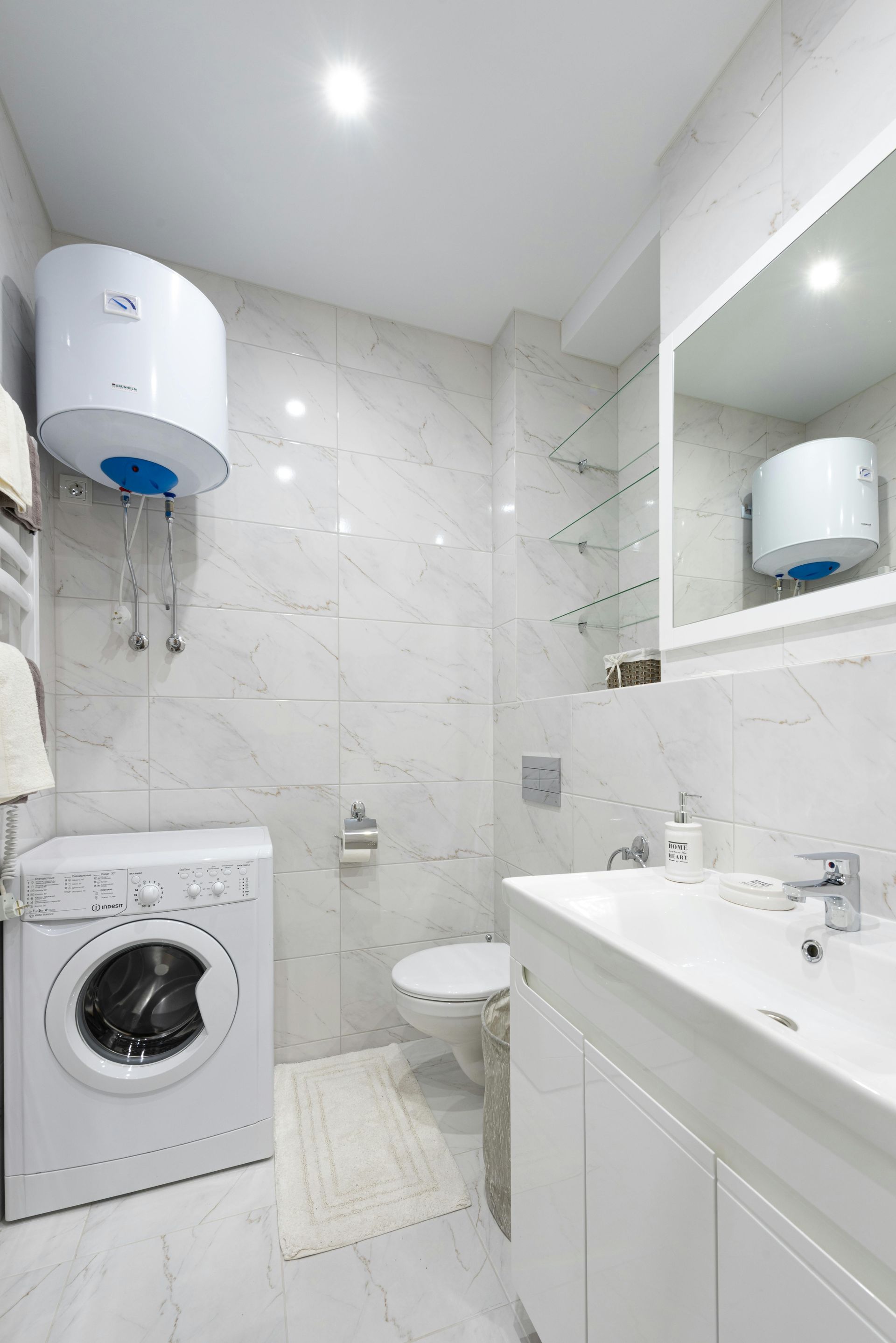
Tankless water heaters are compact and wall-mounted, offering a significant space-saving advantage over traditional tank models. They can be installed in tight spaces, making them a great choice for smaller homes or those looking to free up space in their utility rooms. This can be particularly beneficial for homeowners with limited storage space.
Real-World Example:
In a small apartment or home with limited storage space, a tankless water heater can provide hot water without the need for a large, bulky tank. This makes the system an appealing choice for those who need to maximize every square foot of their living space.
Expert Plumbing Services for Long-Term Savings
At
Bill Blair Plumbing, we understand the complexities involved in selecting the right water heater for your home. With over 25
years of experience serving the Silverdale and Seabeck areas, we specialize in providing expert guidance to help you make an informed decision. Whether you choose a tank or tankless water heater, our team is here to assist with installation, maintenance, and troubleshooting to ensure your system performs optimally. Trust us to deliver reliable,
professional plumbing services
every time.